Three Legendary D&D Adventures: Tomb of Horrors, Ravenloft, and Queen of the Spiders
A guide to three different adventure structures: a lethal puzzle dungeon, a gothic confrontation, and an escalating campaign of connected locations.
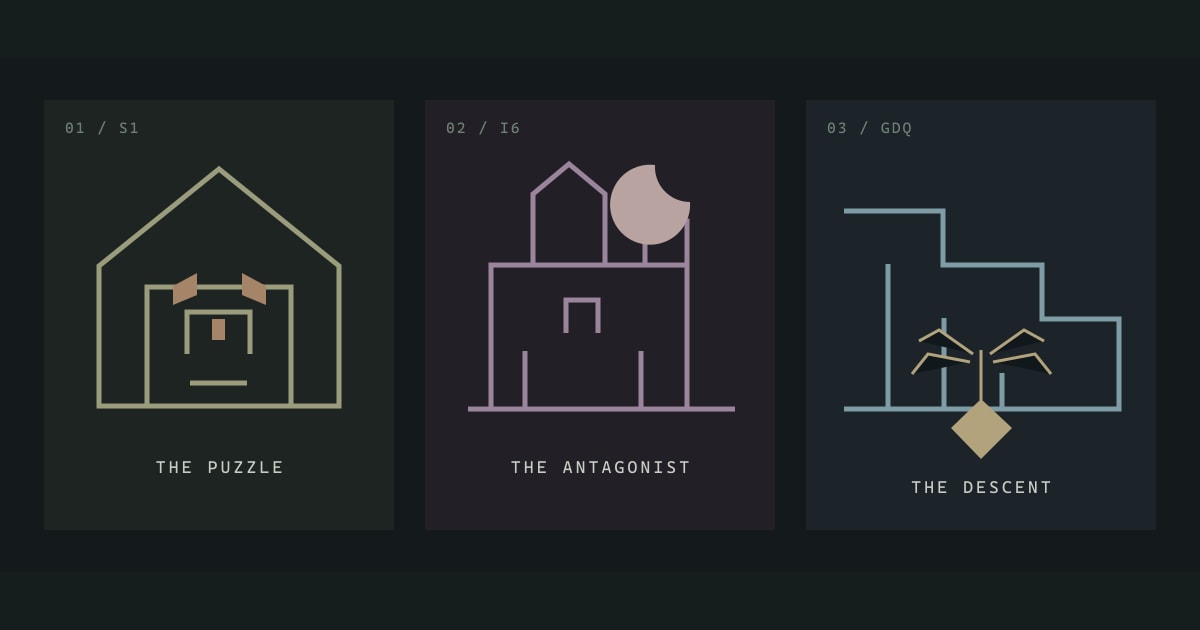
These three adventures answer different questions. Tomb of Horrors asks how carefully players can investigate a hostile place. Ravenloft organizes play around a gothic antagonist and a confined setting. Queen of the Spiders builds a larger campaign by connecting successive threats and locations.
That difference is more useful than ranking them. If you want inspiration for a short puzzle expedition, a giant campaign compilation may be the wrong starting point. If you want relationships and a recurring antagonist, a deadly tomb needs substantial additional work. The comparisons below focus on structure and preparation, without revealing individual trap solutions or reproducing adventure keys.
The original editions at a glance
Adventure | Original module discussed here | Original creators | What to investigate |
|---|---|---|---|
Tomb of Horrors | S1, TSR, 1978; preceded by a 1975 tournament version | Gary Gygax | High-risk exploration, traps, and puzzles. |
Ravenloft | I6, TSR, 1983, for AD&D first edition | Tracy and Laura Hickman | Gothic horror and an active central antagonist. |
Queen of the Spiders | GDQ1–7, TSR, 1986, for AD&D first edition | Gary Gygax and David C. Sutherland, with additional contributors | A connected campaign that changes scale as it progresses. |
Check the edition and product description before choosing a copy or adaptation. A later adventure with a familiar name can use different rules, encounters, and assumptions. The original I6 adventure, the later Ravenloft campaign setting, and Curse of Strahd are related but distinct publications.
Tomb of Horrors: information under pressure
The commercial S1 module grew from a tournament adventure. Its original recommended character range is levels 10–14. Its reputation centers on dangerous exploration and traps; treating it as a sequence of ordinary fights misses much of its identity. The publisher’s retrospective and the licensed S1 listing provide the historical and product context.
What a modern DM can learn from the premise
A puzzle location needs a usable information loop: describe, investigate, decide, resolve. If a player cannot tell what the character sees, they cannot make a careful choice. Conversely, if every meaningful discovery comes from a single automatic check, the location offers fewer opportunities for players to form and test a theory.
For your own trap room, write the description separately from the hidden mechanism. Add something the party can observe immediately, something a deliberate test reveals, and the consequences of triggering it. Then ask a person who has not seen your notes what actions they would try. Their questions are a better test of clarity than your knowledge of the solution.
This is a preparation exercise inspired by the challenge of a puzzle dungeon, not a claim that every original S1 trap follows a modern standard of warning or fairness.
Set expectations before running a lethal challenge
Explain whether this is a tournament-style experiment, a disposable-character one-shot, or part of an ongoing campaign.
Agree on what happens when a character dies or becomes unable to continue.
Check whether players enjoy deliberate investigation and potentially severe consequences.
Read the adventure and any adaptation completely enough to understand dependencies before the session.
Do not choose an unusually lethal adventure solely to punish confident players. A shared challenge works when everyone understands what kind of evening they agreed to.
Ravenloft: a place organized around an antagonist
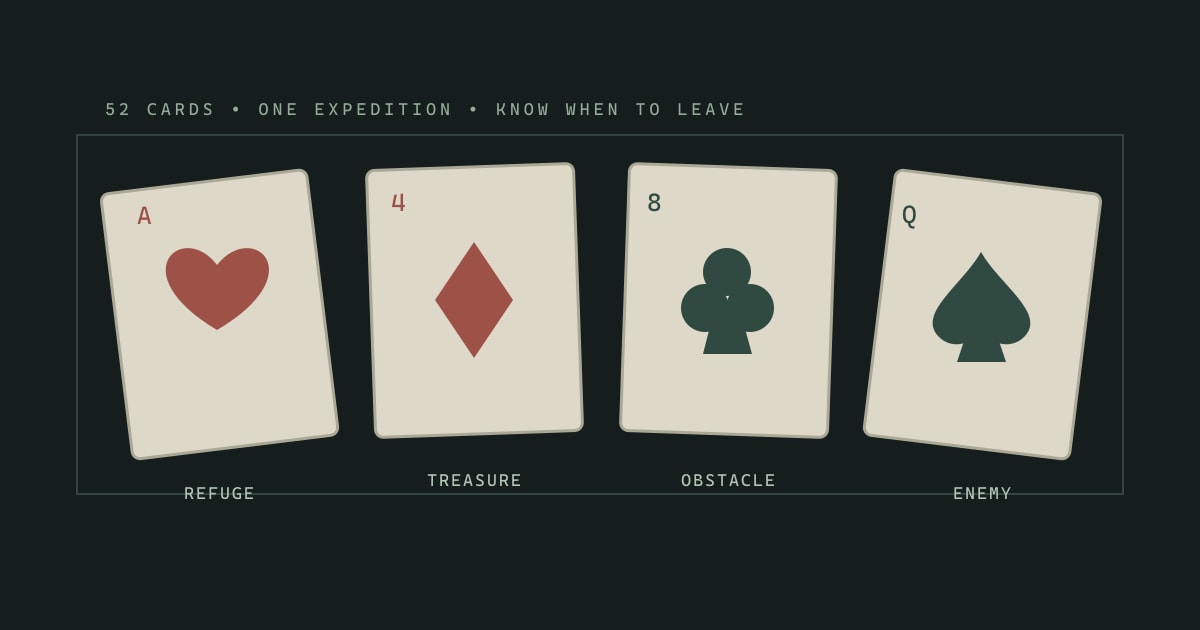
Tracy and Laura Hickman’s I6 Ravenloft was published in 1983 for characters of levels 5–7. Its vampire antagonist, Barovian setting, and card-reading procedure connect the environment to a central gothic confrontation. The card procedure varies selected elements between runs; it should not be casually conflated with every later Ravenloft card system.
Give the antagonist a life outside the final room
When writing your own horror scenario, decide what the antagonist wants today, how they learn about the characters, and how they can act without immediately ending the adventure. A threatening letter, a servant’s invitation, or the disappearance of a helpful witness can change a session before a fight occurs.
The antagonist also needs limits. If they can appear anywhere, know everything, and reverse any setback, player decisions lose weight. Write two things they cannot do, one thing they misunderstand, and one cost they are unwilling to pay. Those limits create room for investigation and resistance.
Turn atmosphere into decisions
A storm is more useful when it closes a route, conceals a sound, or makes a shelter valuable. A suspicious host is more useful when accepting the invitation provides information at a real social cost. Choose a few recurring details and let their practical meaning change as the party learns more.
Before running gothic horror, discuss the themes your group wants to include. Tone is a shared choice. This is particularly relevant when a scenario involves coercion, captivity, or threats to people close to the characters.
Queen of the Spiders: escalation through connections
GDQ1–7 collects the giant adventures, the subterranean D-series, and Q1 into a larger sequence. Published in 1986, it moves from giant strongholds toward underground societies and Lolth’s domain. It credits Gygax and David C. Sutherland for design, with additional contributors. The original introduction expects experienced characters, beginning at least around level 8 rather than low-level beginners.
Connect adventures with evidence
For a campaign of your own, a connection should give the party something they can act on: a messenger’s route, a recognizable payment, a map, an alliance, or a prisoner’s testimony. “The next chapter begins” is less useful than evidence of another location and a reason to care about it.
Make the next destination an informed choice. Offer an immediate lead and an alternate way to investigate it. The campaign can remain connected even if the players bargain with an enemy, avoid a fortress, or revisit a previous ally.
Let earlier decisions survive the change in scale
As a campaign moves from local danger to larger powers, retain a few consequences the group helped create. A rescued scout may become a guide. A negotiated truce may supply information. An abandoned route may become occupied. Continuity gives the changing landscape emotional weight without requiring every event to follow a fixed script.
Which structure suits your next game?
What your group wants | A useful structural reference | Preparation to prioritize |
|---|---|---|
A focused investigation of a dangerous location | Tomb of Horrors | Descriptions, mechanisms, adjudication, and expectations about loss. |
Horror with a recurring central figure | Ravenloft | Relationships, the antagonist’s actions and limits, and agreed themes. |
A longer campaign with changing environments | Queen of the Spiders | Connections, factions, travel, and consequences that persist. |
These are references for learning, not guarantees that the original modules suit every group unchanged. Read sample pages and the product’s rules requirements. Conversion means more than replacing armor classes: recovery, exploration, spell access, and assumptions about survivability can change how a challenge functions.
Apply one lesson to a small adventure
Start with a single site using our worked example of the 1975 campaign-building method. Add one carefully described hazard, one person with an agenda, and one clue pointing beyond the site. You now have a manageable way to try all three structural ideas without recreating an entire classic campaign.
If your interest is specifically in exploration and player-led problem solving, our OSR introduction explains how those choices can work at the table.
Sources and edition checks
D&D Beyond: Tomb of Horrors historical retrospective — Gygax, the tournament background, and publication history.
Fantasy Grounds: licensed S1 Tomb of Horrors listing — module information and original recommended levels.
Tracy Hickman: role-playing adventure bibliography and portfolio — Ravenloft authorship, publication, and design context.
Fantasy Grounds: licensed Queen of the Spiders listing — the scope of the compiled campaign.
The preparation exercises and comparisons are justroll’s analysis. This article is not a substitute for the adventures and does not include their maps, encounter text, or solutions.